

Who is Ojai Actually For?
A Youth Perspective on the District 2 Race
OPINION by Marcel Rosas, with editorial assistance from Ellen Sklarz Photos by Marcel Rosas
Originally Published October 22 in OLO
In the upcoming Ojai City Council election between Rachel Lang and Larry Steingold, the biggest difference between them is not what they want to achieve, but why and how they plan to do it. As a young person watching the adults decide our town’s future, the choice is glaring: do we need Lang’s compassionate humanism to protect our community, or Steingold’s pragmatism for better efficiency and management?

EMPTY BOWLING ALLEY ON OJAI’S EAST END
Lang is the candidate who wants to fiercely protect Ojai’s soul. After starting a career in film production, her path changed after 9/11, when she began working in the fundraising and marketing department for a nonprofit. She then started a small business and continued a career filled with writing, speaking, and teaching.
Lang’s motivation came through watching her grandfather, the first mayor of her hometown, Arnold, Missouri, lead the city. That shaped her heartfelt understanding of the good that can be done at a local level. Her daughter passed away at a very young age, which shaped one of her goals of protecting our community’s children. Her broader aim is for Ojai to work first for the people who live here. She says she favors businesses that serve residents rather than tourists, and she backs affordable housing and arts funding as ways to keep Ojai’s identity intact.
Steingold’s campaign is primarily focused on the need for better management and efficiency in Ojai. His background includes 37 years as a real estate broker. He transitioned from residential to commercial real estate, preferring the straightforwardness of commercial deals to the emotion of residential sales.
When Steingold retired, he started attending City Council meetings and became more involved in the community. After watching those meetings for years, he got annoyed by their inefficiency, so he decided to run for City Council, saying, “I am running because I'm aggravated.”
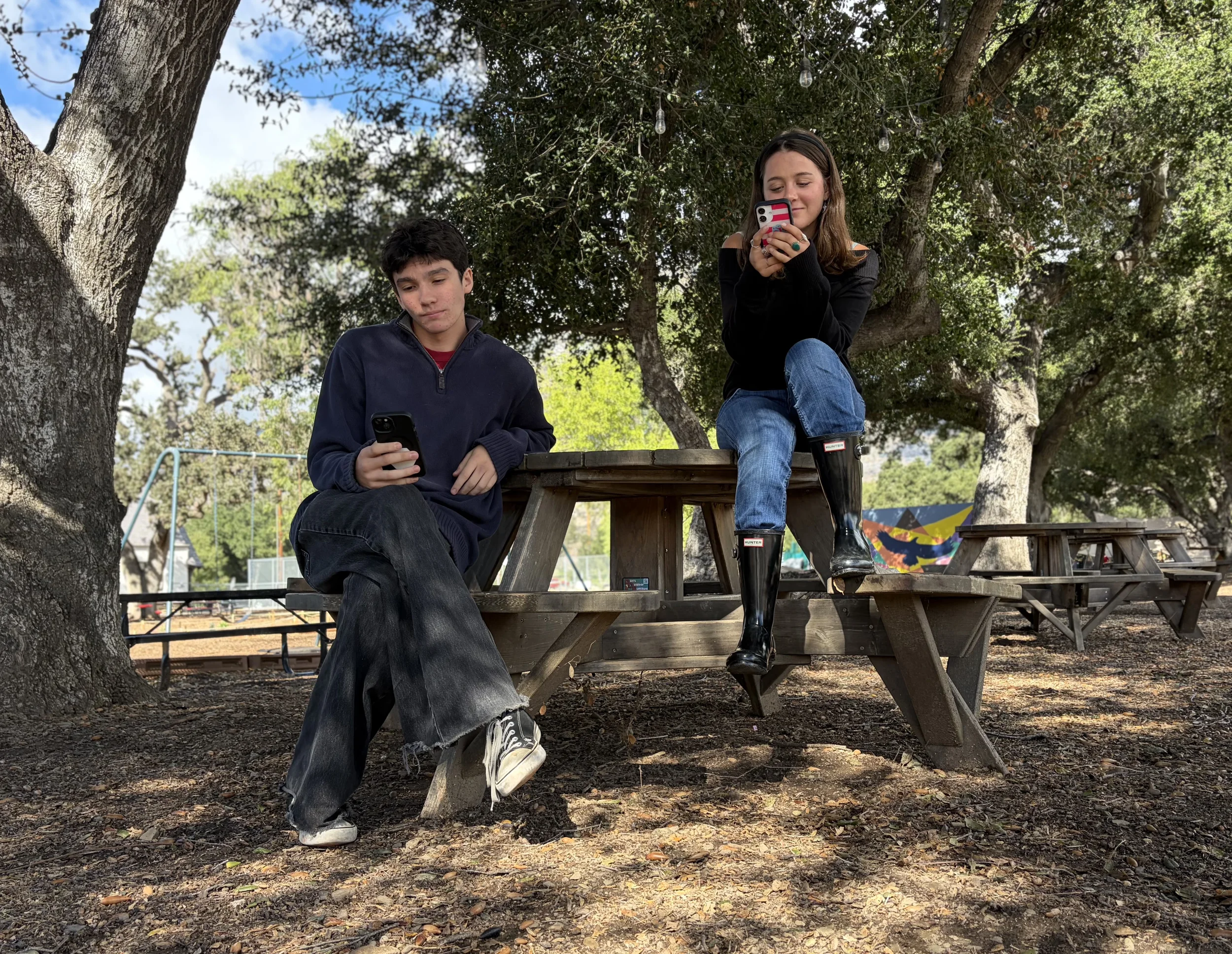
AMIR YAESH AND CHLOE RHOADS
Steingold believes that Ojai could be much more efficient with its spending by hiring more full-time staff rather than contracting out projects. He approaches problems by asking, “How much does it cost, who is managing it, and what is the actual execution plan?” He has been very critical of the current City government but says his goal is to make things better and not to hurt anyone.
The teenage experience in Ojai is shaped by a town built for tourists and adults, where there are few places meant for teens. Many teens I know say that Ojai is boring, that they feel isolated, and that support for their quality of life is lacking. I asked both candidates what they think about this and whether they believe that it’s the City’s responsibility to provide for teenagers’ needs beyond what they are already doing.
Reflecting on her deeply personal motivation for running, Lang says she wants to see her “little light in every child” and wants to leave a better community for the next generation. In her first term, she worked with transit boards to ensure that youth could ride free on the trolley and bus, giving them access to transportation throughout the Valley and to places like Ventura.
In her second term, Lang wants to refocus the Recreation Department around what teens actually want, starting by asking them directly. She wants to fast-track reopening the bowling alley and supports a “funky zone” near the Art Center, with a coffee shop and courtyard for teens to hang out. Lang says the City’s role isn’t to build or run either but dedicate more support to the existing community groups working on them since; “a lot of talk has happened, but not a lot of action.” She adds that families end up leaving Ojai when there isn’t enough for kids to do.
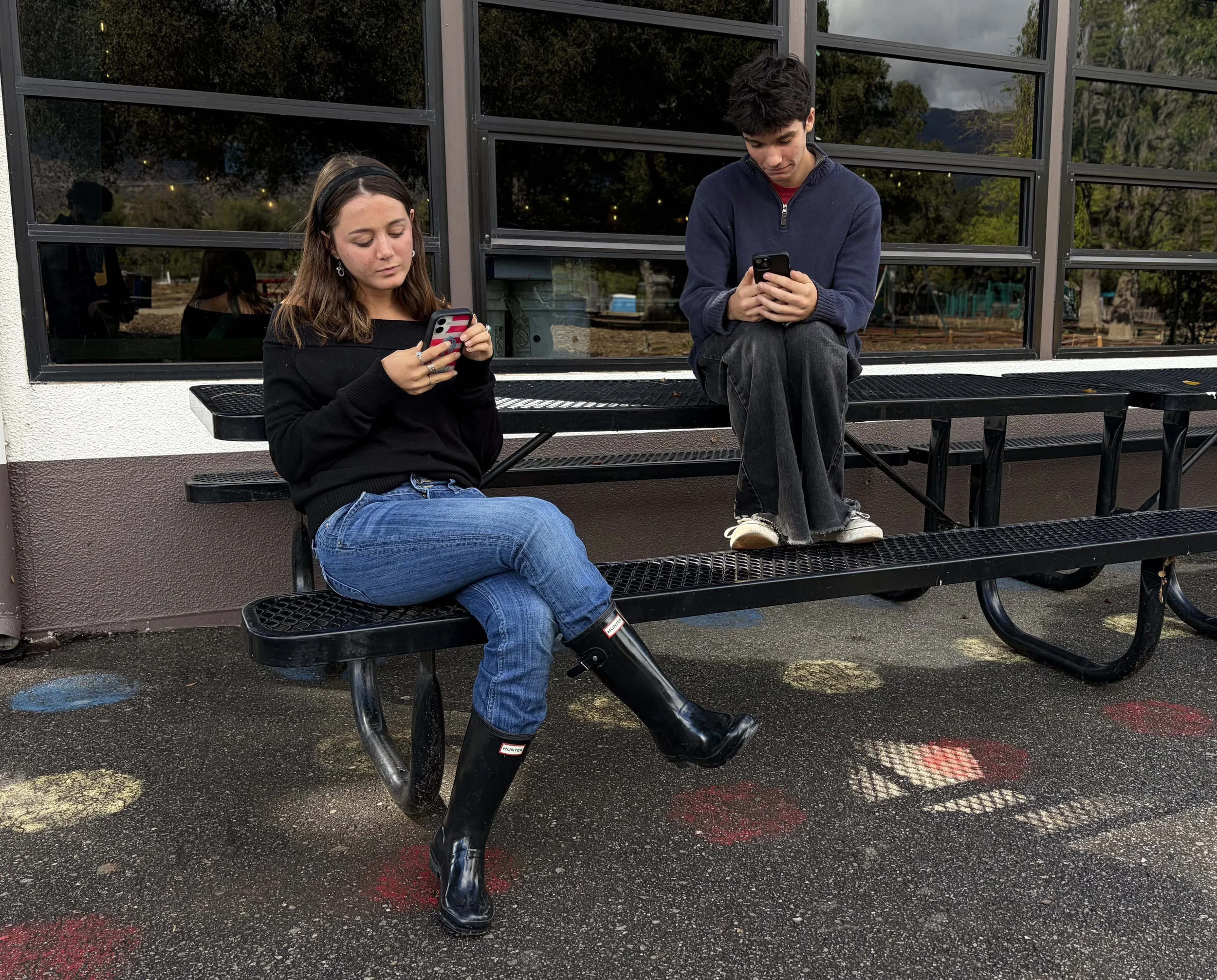
CHLOE RHOADS AND AMIR YAESH
Steingold agrees that the needs of teens should be addressed but differs in how the City should facilitate change. To address feelings of isolation among teens, he proposes an “all-school sports weekend” for kids from Ojai’s many public and private schools to get to know one another. He suggests building a combined senior and youth center so teens have an air-conditioned, safe place with pool tables and TVs for hanging out, gathering, and meeting older mentors. He would also support a dedicated bus to the beach for teens.
Steingold says that the City can facilitate these programs but believes young people need to take the lead in organizing them, rather than waiting for the City to do it for them. Additionally, these programs should not be free of charge. He argues there has to be some cost associated with providing such programs, stating, “Charging gives the programs actual value and ensures that people take it seriously.”
As Vice Chair on the Public Safety Commission, he has talked about e-bikes and his frustration with teens who blow through stop signs, ride two to a bike, or text while riding down Ojai Avenue. His answer is more enforcement; directing law enforcement to pull over more kids acting recklessly and ticketing them, rather than “letting it slide.” For teens driving cars carelessly, he says they can expect more impounding of their vehicles.
Lang and Steingold agree the City should be doing more to support youth, though they differ in execution. Lang wants the City to provide spaces and free resources to nurture youth, while Steingold wants young people to demonstrate the demand by developing proposals that might persuade City Council members to support their ideas.